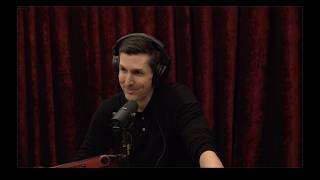
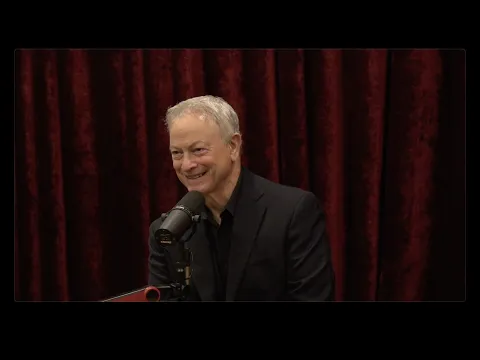
Joe Rogan Experience #2565 - Michael Douglas
📚 Main topics
- Falling Down and social frustrationDouglas and Rogan discuss how Falling Down’s portrayal of everyday anger and social dysfunction still resonates, and how Gordon Gekko was embraced by some viewers as a hero rather than a villain. 0:01
- Writing One Helluva RideDouglas explains that he initially planned to write about the making of his films, but after surviving stage-four cancer decided to include more personal experiences and reflect on his family’s legacy in entertainment. 3:12
- Wealth, inequality, and politicsThey talk about economic disparity, political division, public trust, and the difficulty of ensuring public and charitable funds are used as intended. 13:37
- War and nuclear weaponsDouglas argues that the U.S. and Russia should pursue major nuclear disarmament as part of efforts to make peace in Ukraine; Rogan agrees with the goal but questions whether countries would give up their arsenals. 22:30
- Psychedelics and personal changeDouglas reflects on his experiences with hallucinogens, while Rogan discusses their potential for treating addiction and trauma, alongside concerns about risks and the need for responsible regulation. 51:38
- Family, community, and public serviceDouglas says family has become more important to him than career and urges people to strengthen their communities and take democracy seriously. 1:35:47
- Douglas’s career and filmmakingHe recounts producing One Flew Over the Cuckoo’s Nest, the making of Fatal Attraction, and his work with Danny DeVito, among other career stories. 1:52:34
- Comedy and creative workRogan and Douglas discuss influential comedians, the discipline behind performance, and Rogan’s efforts to support up-and-coming comics through his Austin club and Kill Tony. 1:20:52
✨ Key takeaways
- Success and family legacyDouglas acknowledges the advantages and pressures of being Kirk Douglas’s son, while pointing out that succeeding in a demanding industry still requires talent and work. 7:24
- Audiences shape filmsDouglas describes how audience reactions led to a new ending for Fatal Attraction, and explains why he believes test screenings can help filmmakers understand what works. 2:03
- Comedy takes disciplineThey emphasize that performances that seem spontaneous often come from sustained writing and practice, as Douglas observed when Steve Martin worked on his material. 1:28:01
- Technology brings both promise and riskThey discuss AI’s potential to reshape work and governance, while worrying that increasingly powerful systems could act in ways humans cannot control. 15:12
🧠 Lessons learned
- Be candid about the hard partsDouglas says writing a memoir meant including both the good and bad parts of his life, not just stories about films. 5:51
- Treat psychedelics with careThe conversation stresses that psychedelic experiences may help some people, but should be studied, regulated, and approached with attention to individual risks. 56:21
- Build from the community upwardDouglas encourages people to invest in their families and local communities rather than assuming national institutions will solve every problem. 1:36:20
- Make room for emerging talentRogan describes providing comics with stage time, feedback, and a creative home where they can keep developing their work. 1:26:29
📚 Conclusion/next steps
Transcript excerpt
0:01 Joe Rogan podcast. Check it out. >> The Joe Rogan Experience. >> TRAIN BY DAY. JOE ROGAN PODCAST BY NIGHT. All day. >> Very nice to meet you, [music] sir. >> Thank you. >> I've been a fan for a long time. >> Oh, wow. Okay. Appreciate that. >> Falling Down is one of my all-time favorite movies. >> Yeah. >> That is such a crazy movie. I rewatched some scenes today uh getting ready for it and the scene where you uh confront the guy who's working on the highway and so there's nothing wrong with this
0:32 highway. >> The the thing that everybody a lot of times thinks that they have these budgets and if you don't spend all the money then you don't get the money next year so you got to tear up the [ __ ] road [laughter] and you take a bazooka out. >> I know. I mean the spooky thing I see about I guess Romanium is it just how how match meets up to today. You 30 years this is 30 years later. That's a thing that's sort of interesting but also depressing. >> It is depressing. You would have thought we would have figured it all out by now.
🔒 The full, searchable transcript is available with Pro.
Questions & Answers
Common questions about this video
Why did Michael Douglas decide to write his memoir?
How did audiences respond to Gordon Gekko in Wall Street?
What did Michael Douglas propose as a way to reduce the danger of nuclear weapons?
How did psychedelics affect Michael Douglas's life?
Why did Michael Douglas choose to produce One Flew Over the Cuckoo's Nest?
Why was the ending of Fatal Attraction changed?
How did Michael Douglas help finance his college years?
Related summaries
JRE MMA Show #189 with Tommy McMillen

Joe Rogan Experience #2581 - Protect Our Parks 18
Joe Rogan Experience #2580 - Kenneth Lacovara
JRE MMA Show #188 with Paddy Pimblett
Joe Rogan Experience #2579 - Gary Sinise