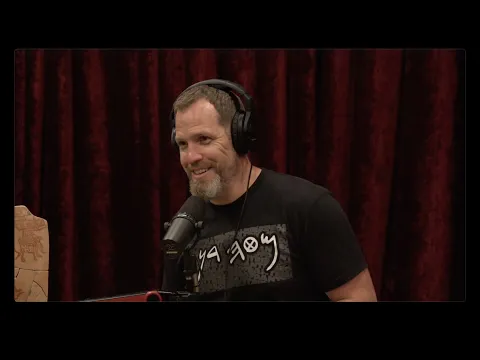
Joe Rogan Experience #2564 - Chuck Lorre
📚 Temas principales
- La transformación cultural de los años sesentaLorre recuerda haber visto a Jimi Hendrix y The Who en el Singer Bowl, y conversa con Rogan sobre cómo la música, la guerra de Vietnam, las drogas psicodélicas y la píldora anticonceptiva acompañaron el cambio cultural de la época. 0:01
- El valor de las sitcoms multicámaraLorre explica que estas comedias se parecen a una obra de teatro frente a un público en vivo, y que escribir y producir episodios semana tras semana exige trabajo intenso y una respuesta inmediata a lo que funciona. 7:49
- Personajes, química y conexión con el públicoHablan de cómo series como Seinfeld, Friends, The Big Bang Theory y Young Sheldon enganchan gracias a sus personajes y relaciones, más que a las tramas. 5:14
- Éxito, fama y autodestrucciónLa conversación aborda el vacío que puede persistir pese a la fama y el éxito, y cómo las drogas, el alcohol y otras formas de evasión pueden empeorar ese dolor. 52:58
- La experiencia de Lorre con ScientologyLorre cuenta que se unió buscando herramientas para avanzar en su carrera, permaneció alrededor de diez años y finalmente se marchó al concluir que no estaba obteniendo lo que le habían prometido. 1:07:08
- La espiritualidad y la sobriedadLorre relaciona su sobriedad con la búsqueda gradual de una conexión con algo más grande que él, sin insistir en una definición concreta de ese poder. 1:21:43
- Colaboración y creatividadLorre atribuye sus logros al trabajo en equipo y señala que, con el tiempo, aprendió a confiar en su intuición, aceptar que podía equivocarse y dejar espacio para que otros crearan. 1:45:20
✨ Conclusiones clave
- La comedia en vivo requiere rigorUna broma que no provoca risa ante el público debe revisarse; para Lorre, esa respuesta es una herramienta de aprendizaje, no una razón para rendirse. 18:13
- La química no siempre se puede replicarEl éxito depende de relaciones concretas entre personajes y actores; sacar a un personaje de su entorno o trasladar una fórmula no garantiza que vuelva a funcionar. 38:27
- La fama no cura el sufrimientoLorre y Rogan observan que los aplausos y el reconocimiento pueden ofrecer alivio pasajero, pero no resuelven por sí solos los problemas internos. 56:10
- Reconocer la incertidumbre abre espacio para colaborarAdmitir «no lo sé» puede reducir la presión del ego y permitir que un equipo encuentre una mejor solución. 1:42:41
🧠 Lecciones aprendidas
- La responsabilidad personal importaAl dejar Scientology, Lorre decidió dejar de buscar una ventaja externa y asumir el trabajo de construir su propio camino. 1:20:10
- La espiritualidad no necesita una etiqueta fijaLorre describe su búsqueda como un proceso activo y personal, y considera que el lenguaje no siempre puede capturar lo que intenta expresar. 1:32:15
- La humildad es una fortalezaAceptar que uno puede estar equivocado o necesitar ayuda permite trabajar con más honestidad y menos defensividad. 1:44:48
- Apuntar alto ayuda a mejorar el trabajoLorre anima a buscar una versión excelente de una escena, aun sabiendo que quizá no se alcance, en lugar de conformarse desde el principio con algo simplemente aceptable. 2:00:29
🏁 Conclusión y próximos pasos
- Seguir creando y hacer reírLorre sigue disfrutando de escribir comedia y hacer reír, aunque procura dar un paso atrás para que sus equipos puedan proponer ideas y colaborar con mayor libertad. 1:50:31
- Leer las memorias de LorreRogan elogia el libro de Lorre, Sitcom: A Memoir, donde el autor revisa su vida, sus errores y su trayectoria creativa. 1:05:36
Transcript excerpt
0:01 Joe Rogan podcast. Check it out. >> The Joe Rogan Experience. >> TRAIN BY DAY. JOE ROGAN PODCAST BY NIGHT. All day. >> So, explain that again. Explain the show that you saw. It was at the Singer Bowl in 1969. Jimi Hendrix was the headliner. The experience right after Monterey and Janis Joplin in the holding company. big brother in the holding company was the warm-up act.
0:32 >> Wow. >> What was that like? >> Well, for starters, we bribed a little security guard to get in, me and my friends. I think we gave him $2 a piece and we walked right up to the stage. >> Wow. >> And watched like right there. And and that was my first my first went, "Oh, I I guess I got to start drinking Southern Comfort cuz she's making it look pretty good." When I worked with Phil Hartman on news radio, one of his favorite stories was
1:04 he was uh like um stage hand uh at the whiskey and Hendrix performed and it was his job to stand with his hand on the speaker because he was worried that Hendrix would knock the speaker into the crowd. And so I guess it was just not very stable. So he said he was literally standing there with his hands on the speaker with Hendrix two feet away from him playing guitar early on. He he would destroy his equipment like the who would do as well. They'd tear up the
🔒 The full, searchable transcript is available with Pro.
Questions & Answers
Common questions about this video
Why does Chuck Lorre think sitcoms are centered more on characters than plots?
What does Chuck Lorre say makes filming a multicamera sitcom difficult?
Why did Chuck Lorre join Scientology, and what eventually made him leave?
What does Chuck Lorre say helped him understand his recovery and spirituality?
What lesson did Chuck Lorre learn from writing sitcoms with other writers?
Why has Chuck Lorre been stepping back from some of his television work?
What advice did Norman Lear give Chuck Lorre about managing several shows?
Related summaries
Joe Rogan Experience #2555 - Ron White
Joe Rogan Experience #2558 - Tyler Engle
Joe Rogan Experience #2553 - Andrew Huberman
Joe Rogan Experience #2560 - David Grusch
Joe Rogan Experience #2563 - Dan Richards