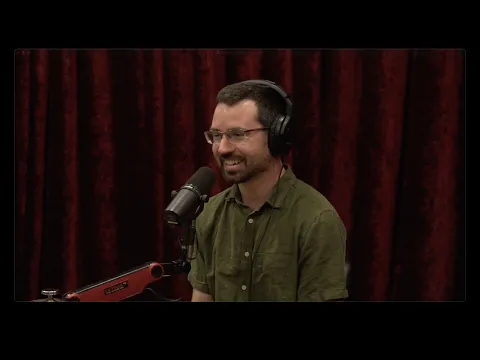
Joe Rogan Experience #2562 - Dan McClellan
📚 Temas principales
- Cómo estudiar los textos bíblicosMcClellan explica que los especialistas analizan el contexto histórico, el género y los objetivos de cada texto; no basta con leer una traducción o consultar un interlineal para captar todos sus matices. 19:19
- Tradiciones antiguas y relatos bíblicosConversan sobre cómo relatos como los de Moisés, la creación y el diluvio pueden reflejar tradiciones anteriores o contemporáneas, adaptadas por autores bíblicos a sus propios propósitos. 16:40
- La composición de la BibliaMcClellan describe cómo los textos se escribieron, editaron y transmitieron a lo largo del tiempo, y cómo manuscritos posteriores permiten identificar añadidos y variantes. 1:22:03
- Religión, sociedad y comportamientoHablan de cómo las creencias y los rituales pueden fomentar la cooperación entre desconocidos, establecer normas y fortalecer la identidad de un grupo, pero también marcar límites entre grupos. 1:01:03
- Empatía y pensamiento intuitivoMcClellan sostiene que solemos sentir más empatía por quienes consideramos parte de nuestro grupo y que la intuición influye en cómo interpretamos el mundo y defendemos nuestras creencias. 1:05:46
- Fe privada y responsabilidad públicaMcClellan evita hablar públicamente de su fe para mantener separada su práctica personal de su trabajo académico, y destaca que el cuidado de los demás importa más que exhibir la piedad. 2:11:29
- Desigualdad y prioridades socialesLa conversación aborda la pobreza, la segregación residencial, las oportunidades desiguales y la distancia entre los ideales cristianos y las decisiones de la sociedad. 2:15:06
✨ Conclusiones clave
- Los textos buscan hacer algoSegún McClellan, los autores escriben en circunstancias concretas para persuadir, explicar, consolar o influir; comprender esas intenciones ayuda a interpretar sus obras. 19:51
- Las tradiciones cambian con el tiempoLas comunidades reinterpretan sus textos heredados conforme cambian sus circunstancias, y algunas creencias religiosas se desarrollaron después de que se escribieran los textos bíblicos. 1:59:36
- Las traducciones requieren cautelaLos manuscritos antiguos revelan cambios y diferencias entre versiones; una traducción accesible no sustituye el conocimiento del idioma, la historia y las prácticas de transmisión. 1:22:33
- La empatía puede ampliarseLa empatía limitada al propio grupo facilita la deshumanización de quienes quedan fuera; reconocer esa tendencia permite intentar comprender y tratar mejor a los demás. 1:07:54
- La religión puede unir y excluirLas creencias compartidas pueden favorecer la cooperación social, pero también pueden emplearse para imponer normas y reforzar divisiones entre grupos. 1:02:38
🧠 Lecciones aprendidas
- Distinguir datos de dogmasMcClellan defiende dejar que la evidencia establezca los términos de la conversación, en lugar de forzar los datos para que confirmen una postura previa. 2:34:44
- Reconocer los límites de la interpretaciónLa evidencia arqueológica y textual es incompleta; algunas explicaciones son hipótesis y es importante no presentarlas como certezas. 1:29:52
- Observar cómo influyen nuestras intuicionesLa percepción y el razonamiento están condicionados por procesos que no controlamos del todo, por lo que conviene revisar nuestras conclusiones y distinguir entre razonamiento y racionalización. 2:09:24
- Predicar con el ejemploMcClellan recuerda que una buena conducta puede ser más convincente que intentar imponer una creencia mediante la autoridad o la educación estatal. 2:29:33
🏁 Conclusión y próximos pasos
- Seguir el trabajo de McClellanMcClellan presenta su libro The Bible Says So y comenta que trabaja en otro libro sobre cómo cambia la representación de Dios a lo largo de la historia bíblica. 2:32:09
- Mantener una mirada crítica y abiertaLa conversación concluye con una defensa de estudiar la evidencia, reconocer la incertidumbre y tratar de entender tanto los textos antiguos como las sociedades actuales sin reducirlos a una sola explicación. 2:34:44
Transcript excerpt
0:01 Joe Rogan podcast. Check it out. >> The Joe Rogan Experience. >> TRAIN BY DAY. JOE ROGAN PODCAST BY NIGHT. All day. >> All right, we're up. What's up, man? Good to meet you, man. >> Good to meet you, too. Thank you so much for having me out. >> It's always weird when you watch a bunch of a guy's content and then you meet him. You know, it's very odd. >> It is. There's a there's a parasocial relationship thing there that that's a little it's a little off-putting at first. I I remember I had uh a long time ago I got a notification I was being
0:32 followed on Instagram by Joel McHale and I was like sweet like texted my family and then like a couple weeks later I got a me a message from him and he was like hey man big fan love your stuff we got to hang out sometime and I was like all right cool and >> he's a really nice guy >> he's he's incredible he's he's a wonderful guy a lovely family and he was coming out to Salt Lake City to do FanX a couple years ago which is our version of Comic-Con and I was like hey let's do dinner. >> Oh, yeah. You're a giant comic freak. >> I am. Yeah. And uh he uh I was like, "Let's do dinner." He's like, "It's a
🔒 The full, searchable transcript is available with Pro.
Questions & Answers
Common questions about this video
How do biblical scholars figure out what an ancient text was intended to do?
What similarities does Dan McClellan describe between the story of Moses and the story of Sargon of Akkad?
Why do many modern Bible translations leave out some verses found in the King James Version?
What does McClellan say about the idea that everyone who does not follow Jesus will be punished in hell forever?
What role might religious beliefs about gods who watch people have played in society?
What is the Book of Enoch, and how does it explain the origin of evil?
How can our intuitive thinking influence the way we interpret religious texts?
Related summaries

Joe Rogan Experience #2561 - LL Cool J
Joe Rogan Experience #2551 - Daniel Kokotajlo

Joe Rogan Experience #2407 - Billy Bob Thornton

Joe Rogan Experience #2422 - Jensen Huang

Joe Rogan Experience #2319 - Rick Doblin
