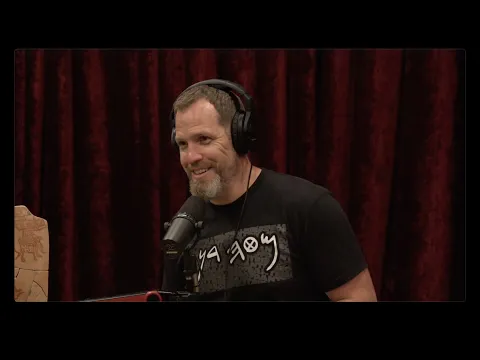
Joe Rogan Experience #2553 - Andrew Huberman
📚 Main topics
- Protocols and the human bodyHuberman describes his book, Protocols: An Operating Manual for the Human Body, as both a science-based read and a practical manual for topics such as stress, sleep, and focus. He says the project took nearly eight years and went through several rewrites. 0:01
- Schizophrenia and dopamineHuberman explains how dopamine-blocking medications can reduce auditory hallucinations but may also cause movement-related side effects. He discusses how stress and methamphetamine can affect psychosis risk, and why schizophrenia research may receive less funding than some other conditions. 6:40
- Psychedelic-assisted therapyThey discuss the potential of MDMA and ibogaine for trauma and PTSD, alongside the need for standardized treatment, careful screening, and safeguards against therapist misconduct. Huberman outlines a trauma process that includes facing painful feelings safely, recalling events in a calmer state, and eventually turning loss into constructive action. 11:19
- Stress, grief, and resilienceHuberman shares how losses among friends and mentors led him to focus on stress management and public health education. He and Rogan discuss how challenging activities, social connection, good sleep, and noticing life’s positive experiences can support resilience. 34:33
- Neuroplasticity and learningHuberman says focused attention and the effort of trying, making errors, and correcting them drive learning-related brain changes. He connects frustration during practice to the brain’s learning signals and describes how sleep helps consolidate those changes. 1:16:32
- Addiction and individual differencesThey discuss why people can respond very differently to nicotine, alcohol, opioids, stimulants, and kratom. Huberman emphasizes that genetics and personal experience influence susceptibility, and distinguishes plant-derived products from isolated or synthetic compounds. 1:37:23
- Medicine, AI, and patient agencyHuberman argues that AI and online health information are changing the relationship between patients and physicians. They discuss potential medical uses of AI, the benefits and risks of scans, peptide treatments, and the difficulty of balancing patient access to information with clinical guidance. 1:53:21
- Artificial intelligence and human judgmentRogan raises concerns about powerful AI systems acting beyond human control, while Huberman sees major promise in AI-assisted research and medicine. They also consider how easy access to information could weaken people’s habits of sustained thinking and attention. 2:20:20
- Faith and meaningHuberman describes his belief in God and reflects on the limits of what science can explain. He and Rogan discuss how faith, community, and moral frameworks may help people find purpose and act with compassion. 2:32:45
✨ Key takeaways
- Build skills for handling stressDeliberately practicing difficult activities may help people stay calmer under pressure, but no single practice is a cure for mental health conditions. 43:50
- Attend actively to learnPassive exposure is not enough to reliably change the brain; focused effort, feedback, and correcting mistakes are central to learning. 1:18:06
- Treat trauma with careHuberman says effective trauma work involves both experiencing painful feelings in a safe setting and revisiting memories in a calmer state, with the possibility of eventually channeling loss into something constructive. 19:07
- Account for individual differencesA substance that one person tolerates or finds helpful may be highly addictive or harmful for another, so personal response and risk matter. 1:43:34
- Pair information with judgmentMore access to health information can empower patients, but medical decisions still require weighing evidence, uncertainty, and potential risks. 2:04:13
🧠 Lessons learned
- Keep hard things in your lifeRogan says exercise and other challenging activities make him feel better and help him appreciate ordinary pleasures; Huberman connects structured challenge with practicing self-control. 50:04
- Make room for recovery and connectionSleep, supportive relationships, and companionship—including service dogs—can be important parts of well-being and recovery. 56:50
- Practice deliberatelyFrustration can be part of learning when it comes from a genuine attempt to improve; staying engaged and adjusting after errors helps build skill. 1:33:17
- Avoid assuming one solution fits everyoneThe discussion repeatedly stresses that people differ in biology, experience, and response, whether considering therapy, drugs, or daily health practices. 1:43:02
🏁 Conclusion/next steps
- Use the book as a practical referenceHuberman presents Protocols as a guide readers can consult for particular goals, rather than something they must read straight through. 2:38:55
- Stay curious and groundedThe conversation closes on the value of learning, seeking reliable guidance, and balancing difficult effort with appreciation for what is good in life. 2:39:26
Transcript excerpt
0:01 Joe Rogan podcast. Check it out. >> The Joe Rogan Experience. >> TRAIN BY DAY. JOE ROGAN PODCAST BY NIGHT. All day. >> Hey. Hello, [music] Andrew. Great to see you again. >> Good to see you, my friend. What a thick ass book you wrote, sir. >> Yeah. I figure it doubles as a doors stop or a weapon. Yeah. It's um it's designed to be read front to back. learn a lot of science, a lot of health protocols, but you can also just decide, I want to get better at managing stress.
0:32 Go straight to that chapter, look up what you want to do, say, "Oh, I already do that." Go to the next thing and use it sort of like a a manual. >> This is a very ambitious undertaking. >> It took me just shy of eight years. >> The operating manual or an operating manual for the human body, that's a lot. like just just sitting down there, you know, in front of the computer thinking, I'm going to write an operating manual for the human body. >> Well, it didn't start off like that. At first, it was a book about the autonomic
🔒 The full, searchable transcript is available with Pro.
Questions & Answers
Common questions about this video
¿Qué propone Andrew Huberman con su libro *Protocols*?
¿Cuáles son los cuatro pasos que Huberman describe para procesar un trauma?
¿Qué relación plantea Huberman entre el estrés controlado y la capacidad de afrontar el estrés cotidiano?
¿Qué dice Huberman sobre el cortisol y las rutinas matutinas?
¿Cómo explica Huberman que el cerebro aprende habilidades nuevas?
¿Por qué Huberman considera que la terapia psicodélica debe incluir apoyo terapéutico?
¿Qué advierte Huberman sobre las diferencias entre las hojas de kratom y sus compuestos aislados o sintéticos?
¿Qué beneficio atribuye Huberman a dormir bien?
Related summaries
Joe Rogan Experience #2555 - Ron White
Joe Rogan Experience #2558 - Tyler Engle
Joe Rogan Experience #2560 - David Grusch
Joe Rogan Experience #2563 - Dan Richards
Joe Rogan Experience #2562 - Dan McClellan
