Joe Rogan Experience #2576 - Dr. Peter McCullough
📚 Main topics
- Censorship and public debateRogan and McCullough discuss the backlash against questioning COVID policies and treatments, arguing that labels such as “misinformation” and “conspiracy theorist” discouraged debate. McCullough says clinical medicine involves uncertainty and that competing ideas should be tested rather than suppressed. 1:04
- Pandemic response and originsMcCullough describes what he calls a “biopharmaceutical complex” involving global health organizations, regulators, governments, and industry. He questions the handling of the investigation into COVID’s origins and presents a lab leak as his view, while Rogan and McCullough criticize the limits placed on discussion of that possibility. 9:28
- Vaccines and historical contextThe conversation ranges from early inoculation to modern vaccination, with McCullough arguing that sanitation, hygiene, nutrition, and medical care contributed substantially to declines in infectious-disease deaths. He also characterizes vaccine advocacy as ideological and discusses COVID vaccine mandates, natural immunity, and reported adverse effects. 32:27
- Treatment controversiesMcCullough criticizes the restriction of treatments including ivermectin and monoclonal antibodies, and questions the use of remdesivir. He describes his own treatment protocols and claims that early treatment could have prevented many deaths; those claims are presented in the conversation as his views. 56:12
- Vaccine safety and alleged long-term effectsMcCullough raises concerns about myocarditis, blood clots, cancer, fertility, and persistent spike protein, and discusses proposed “spike detox” products. These are his claims; the episode does not establish them as medical consensus. 1:37:09
- Testing, reporting, and hospital careRogan and McCullough question PCR cycle thresholds, COVID death classifications, financial incentives, and hospital treatment practices. They also discuss McCullough’s concerns about later measles testing and reporting. 2:15:26
- Personal and professional consequencesMcCullough says speaking out cost him academic positions, editorial roles, grants, and other opportunities, but that he believes doing so was worth it if it helped even one person. 2:26:50
✨ Key takeaways
- Room for uncertaintyThe guests argue that public health decisions should acknowledge what is unknown, especially early in a new outbreak, instead of presenting unsettled conclusions as certain. 28:18
- Scrutinize policies and evidenceThey call for examining mandates, treatment decisions, testing practices, and institutional incentives, while distinguishing their criticisms from established conclusions. 1:04
- Natural immunity and vaccinationMcCullough argues that prior infection can provide meaningful protection and criticizes vaccinating people who had already recovered. 46:23
- Treatment accessMcCullough says patients should have had broader access to early treatments, particularly monoclonal antibodies, and argues that treatment was sidelined in favor of vaccination. 1:01:22
🧠 Lessons learned
- Communicate uncertainty clearlyIn a fast-moving crisis, explain what is known, what remains uncertain, and how recommendations may change as evidence develops. 1:24:13
- Keep debate openThe guests contend that censorship and professional reprisals can make it harder to test medical claims and correct mistakes. 1:15:23
- Assess claims criticallyThe episode contains extensive medical and historical allegations from McCullough. Listeners should distinguish those assertions from independently established evidence and seek qualified medical advice. 1:37:40
🏁 Conclusion/next steps
- Prepare for future crisesMcCullough calls for better preparedness, access to medical supplies, and lessons learned from hospital and public-health responses. 2:25:17
- Seek varied sourcesThe guests encourage audiences to consult independent media and consider differing perspectives, while the discussion underscores the importance of evaluating evidence carefully. 2:35:14
- CloseRogan thanks McCullough for returning and praises his courage; McCullough says he hopes the public can learn from the pandemic. 2:35:14
Transcript excerpt
0:01 Joe Rogan podcast, check it out. >> The Joe Rogan experience. >> TRAIN BY DAY, JOE ROGAN PODCAST BY NIGHT. All day. >> Joe, good to see you, sir. >> Great to be back. >> You were the first guy that got me canceled, I think. About COVID. >> Is that true? >> Yeah. >> [laughter] >> It's you It's either you or Malone. One of you guys was the beginning of like all the like the White House and CNN and everything when they
0:33 all came down on me. It was It was your misinformation that all turned out to be true. >> I'm [laughter] so, so sorry. >> Don't be sorry at all. It was great. Turned out well. Uh for me, but it was fascinating to watch. What What has it been like for you these We haven't seen each other in 5 years. What has it been like? >> Well, but you know, before I came on the first time, had anybody accused you of misinformation before that? >> No, not really. No, I don't I don't
1:04 believe so. >> Had the word even come up? >> No, I don't even Perhaps. I doubt it though, because we never really talked about anything serious. You know, it was the the COVID crisis was like the first time I was ever really confronted with a very obvious psyop. Like the It was It was very obvious that we were being fed some very filtered information. We were being gaslit. And there was a narrative that you were being forced to push. And I wasn't going with it. And when I experienced the pushback, I mean, like
🔒 The full, searchable transcript is available with Pro.
Questions & Answers
Common questions about this video
¿Cómo describe McCullough el uso de la palabra «desinformación» durante la pandemia?
¿Qué explicación ofrece McCullough para que tantos países adoptaran medidas pandémicas similares?
¿Qué diferencia señala McCullough entre la inmunidad natural y la inmunidad de las vacunas contra el sarampión?
¿Por qué McCullough critica que se recomendara la vacuna contra la COVID-19 a mujeres embarazadas?
¿Qué objeción plantea McCullough sobre los ciclos de amplificación de las pruebas PCR de COVID-19?
¿Qué explica McCullough sobre las vacunas contra la COVID-19 y la transmisión del virus?
¿Qué consecuencias profesionales dice McCullough que enfrentó por sus posturas sobre la COVID-19?
Related summaries

Joe Rogan Experience #2575 - Sam Tallent
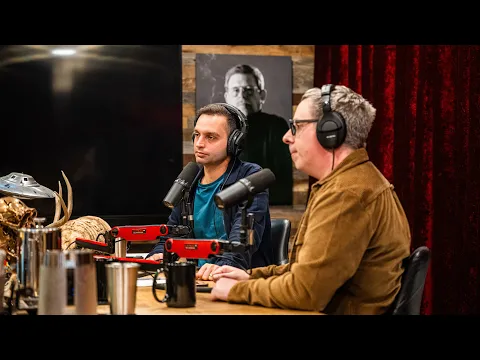
Joe Rogan Experience #2574 - Francis Foster & Konstantin Kisin
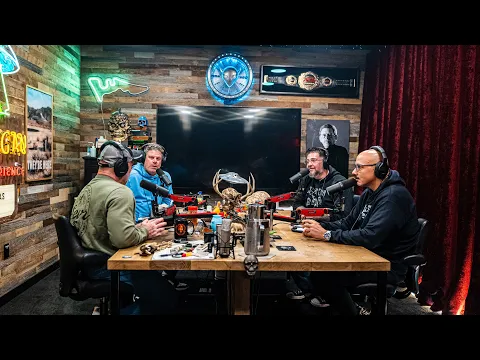
Joe Rogan Experience #2573 - Legion of Skanks

Joe Rogan Experience #2572 - Colum Tyrrell

Joe Rogan Experience #2571 - Jimmy Carr
