How Ethical Hackers Actually Break Into Systems
📚 Main topics
- Linux foundationsThe course starts with Parrot OS and covers navigating the terminal, managing files and directories, checking system and network information, and using commands such as grep, ping, and find. 1:02
- Automation and permissionsThe instructor demonstrates Bash scripts for repetitive tasks, then explains sudo privileges and basic user management, including creating, modifying, and deleting accounts. 39:15
- Setting up a legal practice labThe course uses a deliberately vulnerable Explorer virtual machine in a local CTF environment and walks through configuring it before testing. 1:05:32
- Network scanning and web enumerationNmap is used to identify open ports, services, and versions; WhatWeb, curl, Dirsearch, ffuf, and Nikto are introduced for examining web technologies, paths, and potential issues. 1:15:20
- Testing a web login with Burp SuiteBurp Suite is used to intercept and inspect HTTP requests, while ffuf demonstrates how automated attempts can test login credentials in the lab. 1:46:08
- Exploring an upload vulnerabilityAfter identifying the application and its version, the instructor demonstrates uploading a PHP web shell to interact with the lab server. 1:58:08
- Python for reconnaissanceThe final section introduces Python basics and builds a small script that resolves a domain, checks the website response, and prints HTTP headers. 2:03:23
✨ Key takeaways
- Start with discoveryLearn what a target exposes—such as live hosts, open ports, services, and web paths—before deciding what to investigate next. 1:15:45
- Use automation thoughtfullyBash and Python can reduce repetitive work, while scanning tools can gather information more efficiently than manual checks. 46:57
- Inspect requests and responsesBurp Suite helps reveal how a web application handles input and sessions, and response details can help guide further testing. 1:47:43
- Keep testing authorizedThe demonstrations are framed for a local, intentionally vulnerable lab; the instructor warns against testing real systems without permission. 1:05:50
🧠 Lessons learned
- Build comfort with the command lineFile navigation, permissions, command history, and manual pages are practical foundations for later security work. 5:12
- Understand the tools, not just the commandsNmap and web-enumeration tools help identify what is running, but their results still need interpretation and follow-up research. 1:18:20
- Be careful with powerful commandsRecursive deletion and root privileges can cause serious damage if used carelessly, so check commands and permissions before running them. 30:19
- Use scripts to make findings clearerA basic Python program can organize checks and display useful results, but it depends on correct syntax and understanding the libraries involved. 2:22:21
🏁 Conclusion/next steps
- Continue practicing in the labThe course ends after building a basic Python reconnaissance script and encourages further learning and practice in authorized environments. 2:36:36
Transcript excerpt
0:00 Welcome to this hands-on ethical hacking crash course taught by cyber security instructor Declan Middleton. Throughout this course, you will learn the core Linux fundamentals and essential command line tools needed to navigate and audit target systems effectively. From network scanning and web enumeration with tools like Nmap, Dirsearch and burp suite to exploiting vulnerabilities and writing your own automation scripts. You will
0:31 gain practical real world skills. Everything is demonstrated safely and legally inside a local CTF lab environment. So let's dive right in and get started. >> This is Parrot. It's very similar to Ki Linux. Uh not much different really. Uh the only thing that's different is obviously the brand, the color scheme, and maybe a little bit a few more of these tools installed. So there's striking similarities in both operating systems, but again, it really doesn't
1:02 matter what you use. But for this video and this showcase tutorial, I will be using Parrot OS for this tutorial. Everything's pretty basic, and I'm not going to really walk through too much of the Linux basics. Uh if you've seen them if if you've seen my basic Linux terminal commands in my other video, you can go check that out. Um but let's just do a quick walkthrough on the basics of Linux again just for those who may not understand. So this is a terminal. Uh a terminal is a this window here. So if
🔒 The full, searchable transcript is available with Pro.
Questions & Answers
Common questions about this video
¿Qué función cumple el comando `ls` en Linux?
¿Para qué sirven `ping` y `netdiscover`?
¿Qué ventajas ofrece Bash scripting para una persona que hace pruebas de seguridad?
¿Qué información puede obtenerse con un escaneo de Nmap?
¿Para qué se usan WhatWeb, Dirsearch y ffuf en la enumeración web?
¿Cómo ayuda Burp Suite a analizar una aplicación web?
¿Qué conceptos básicos de Python se muestran en el curso?
Related summaries
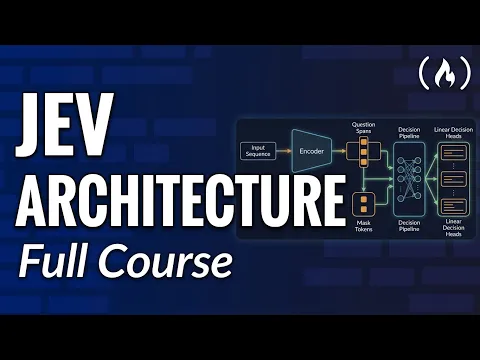
Jev Course – Prefill-Only Inference & Decision Models from Scratch

Python Algorithmic Trading Course – Massive, SnapTrade & Alpaca Integrations

Build your own Mobile App with Codex GPT-6 Astra - Full iOS and Android Course
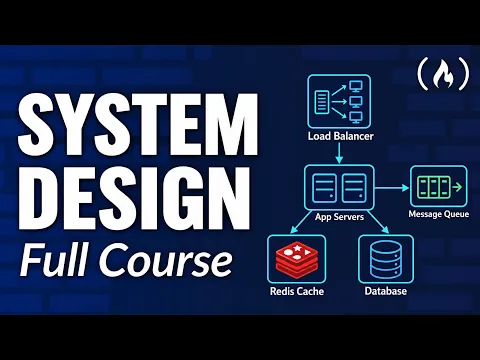
Design Software Systems Like a Senior Engineer – Complete Course
TanStack Router Course – Loaders, Auth & Type-Safe Routes